
You’ve found a place you like. The photos looked great, the viewing went well, and the price seems fair. But here’s the thing about buying something someone else has already lived in for years. What you see during a quick walkthrough is rarely the whole story.
Why This Step Gets Skipped More Than It Should
A lot of buyers assume that if a property looks well kept, it probably is. The problem is that a fresh coat of paint and tidy furniture arrangement can hide things that actually matter, like an air conditioning system that’s barely holding on or electrical wiring that’s been quietly deteriorating for years. This is exactly why a proper property resale inspection exists, giving you the technical picture that a normal viewing simply can’t provide.
Think about someone touring a resale apartment on a warm afternoon. The AC is running, the place feels comfortable, and there’s no obvious reason to question it. What they don’t see is whether that unit is actually cooling efficiently or just barely getting by, information that only shows up once someone’s actually testing the system rather than just standing under a vent.
What Makes Buying a Used Property Different
Every property resale comes with a history that a new build simply doesn’t have. Previous owners, years of daily use, and whatever maintenance did or didn’t happen along the way all shape the condition of what you’re actually buying. This isn’t necessarily a bad thing, plenty of resale properties are in great shape, but it does mean going in with your eyes open rather than assuming everything is fine just because it looks fine.
This is also where expectations need to be realistic. Some wear and tear is completely normal for a lived-in property, and that’s very different from an actual defect that’s going to cost you money down the road. Knowing the difference between the two is really the whole point of getting a professional opinion.
What Actually Gets Checked During This Process
A proper resale property inspection focuses on three main areas, and it’s worth understanding what each one actually covers. The mechanical, electrical, and plumbing systems get a thorough check, meaning the AC gets tested for cooling efficiency and air leaks, electrical panels get inspected for safety hazards like reverse wiring or hot breakers, and plumbing fixtures get checked for leaks and drainage issues.
Structural elements are the second focus, looking at foundation walls, the exterior, interior walls, floors, and ceilings for any cracks that could point to a bigger underlying issue. Finally, infrared scanning technology gets used across the whole property to catch things that aren’t visible to the naked eye at all, like hidden moisture, mold, or even termite activity behind walls and under flooring.
A Realistic Example of Why This Matters
Picture a buyer who’s looking at a resale property and everything seems fine on the surface. During the inspection, infrared scanning picks up a moisture pattern behind a bathroom wall that isn’t visible from the outside at all. No staining, no smell, nothing a normal viewing would ever catch. That single finding could mean the difference between negotiating a fair price adjustment for the buyer to fix it later, or moving in and discovering months down the line that there’s a mold problem that’s already spread further than expected.
This is the real value of getting a proper inspection done. It’s not about assuming something’s wrong, it’s about actually knowing rather than hoping.
Why This Matters Even More in Dubai Specifically
The market for resale properties in dubai has grown significantly, which means more buyers are dealing with properties that have gone through multiple years of ownership and regular use. Understanding the specific condition of a property in this market matters just as much as understanding the price and location, since a great deal on paper isn’t actually a great deal if it comes with expensive repairs waiting to surface later.
Buyers coming from overseas benefit from this process too. A lot of international buyers can’t be physically present for every step of the purchase process, and having a documented, detailed report gives them the same clarity someone standing in the property in person would have.
How This Compares to a Pre-Handover Inspection
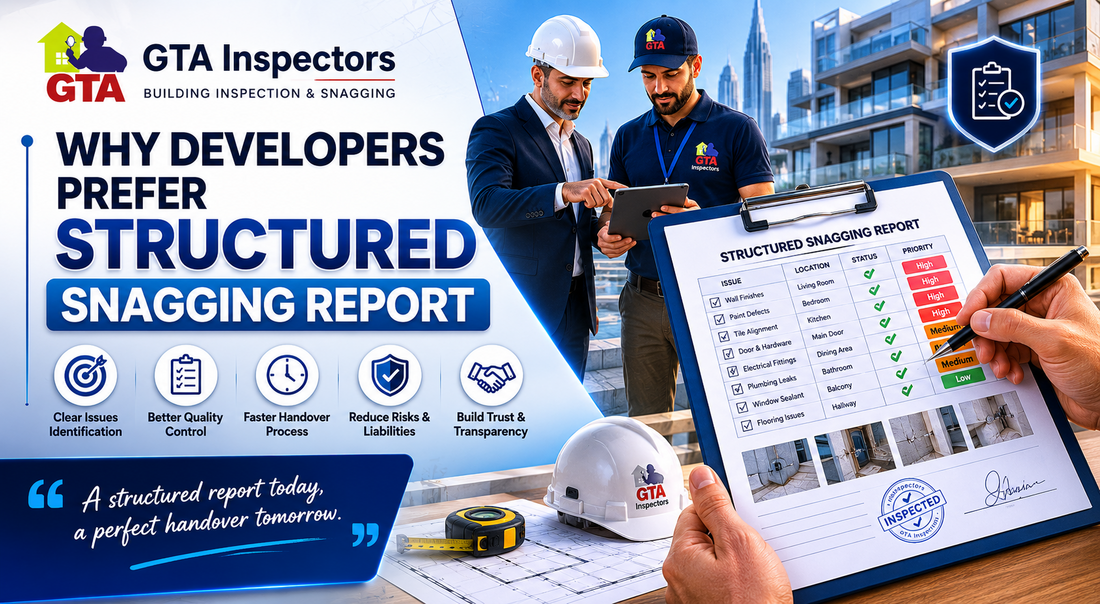
If you’ve researched property inspections before, you may have come across the term pre-handover inspection as well, and it’s worth knowing how the two differ. A pre-handover inspection is specifically for brand new properties being handed over directly from a developer, and it includes a detailed look at cosmetic defects since everything should be essentially flawless coming straight from construction.
A resale inspection works a bit differently, since it accepts that normal wear and tear is expected on a property that’s actually been lived in. The focus shifts away from minor cosmetic details and toward the things that genuinely matter for long term ownership, structural integrity, system functionality, and hidden issues that wouldn’t show up in daily use.
Using the Report as a Real Negotiating Tool
One of the most practical benefits of getting this done before finalizing a purchase is that the report itself becomes something you can actually use. If issues are found, you’re in a position to negotiate the price down, request repairs before closing, or simply walk away from a property that’s carrying more risk than it’s worth. Without this documentation, you’re negotiating blind, relying on assumptions rather than actual findings.
Setting Realistic Expectations Going In
Not every resale property has major problems, and that’s worth saying clearly. A lot of the time, an inspection simply confirms that a property is in good shape and gives you the confidence to move forward knowing exactly what you’re getting. Even when issues are found, most are manageable and simply become part of the negotiation rather than a dealbreaker. The real value here isn’t finding problems for the sake of it, it’s making sure you’re making an informed decision either way.
GTA Inspectors has worked with buyers across Dubai on exactly this kind of decision, providing detailed reports within 24 hours so buyers have the information they need before signing anything.
FAQs
1. Is a resale property inspection necessary even if the property looks well-maintained?
Yes, a good visual condition doesn’t guarantee a sound technical condition, and an inspection helps identify hidden defects that aren’t visible during a standard viewing.
2. Can the inspection report actually help in price negotiation with the seller?
Yes, the report provides documented findings that buyers can use to request repairs, negotiate the purchase price, or clarify responsibilities before finalizing the deal.
3. What types of issues are typically found in resale properties?
Common issues include inefficient air conditioning, electrical safety concerns, plumbing leaks, and structural cracks that develop over time with regular use.
4. Does normal wear and tear affect the inspection outcome?
No, the inspection clearly distinguishes between acceptable wear and tear and actual technical defects that may lead to costly repairs or safety risks.
5. Can overseas buyers arrange this inspection remotely?
Yes, buyers can authorize the inspection, receive the full report digitally, and review all findings without being physically present at the property.
6. How is this different from a pre-handover inspection for new builds?
A pre-handover inspection focuses heavily on cosmetic defects in brand new properties, while a resale inspection focuses on structural integrity and system functionality given the property has already been in use.
Get in Touch
If you’re in the process of buying a resale property and want the full picture before you sign anything, it’s worth having it properly inspected first.
GTA Inspectors
Email: info@gtainspectors.com
Mobile:+971525192004
Office:+97145765420