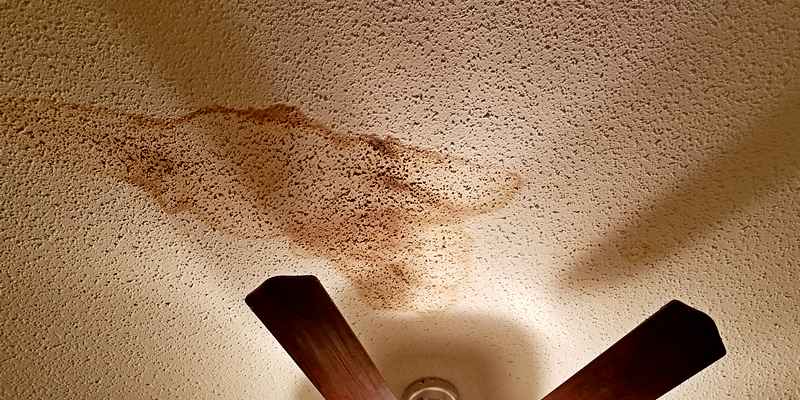
A building can look perfectly fine from the outside. The paint is fresh, the floors are clean, and the lifts work. But behind the walls, a pipe may be leaking, a wire may be running hot, or a cooling duct may be losing air. These problems rarely announce themselves. They show up later as damp patches, high bills, or a repair nobody budgeted for. A building inspection is how you find them early.
Why Looks Do Not Tell the Whole Story
Most people judge a property by what they see. That is natural, but it only covers the surface. Many serious problems start in places you cannot see, such as inside walls, above ceilings, or behind electrical panels.
A trained inspector looks at how the building actually performs. That means checking the systems that keep it safe and comfortable, not only the finishes.
What We Check During an Inspection
At GTA Inspectors, our inspections cover the main parts of a building.
Structure. We look at walls, floors, and ceilings for cracks and signs of movement that should not be there.
Mechanical, electrical, and plumbing systems. We check air conditioning, wiring, panels, fixtures, taps, and drains for faults, leaks, and safety hazards.
Finishes and safety. We note issues such as cracked tiles, poor paint, misaligned doors, and uneven surfaces, along with basic safety checks.
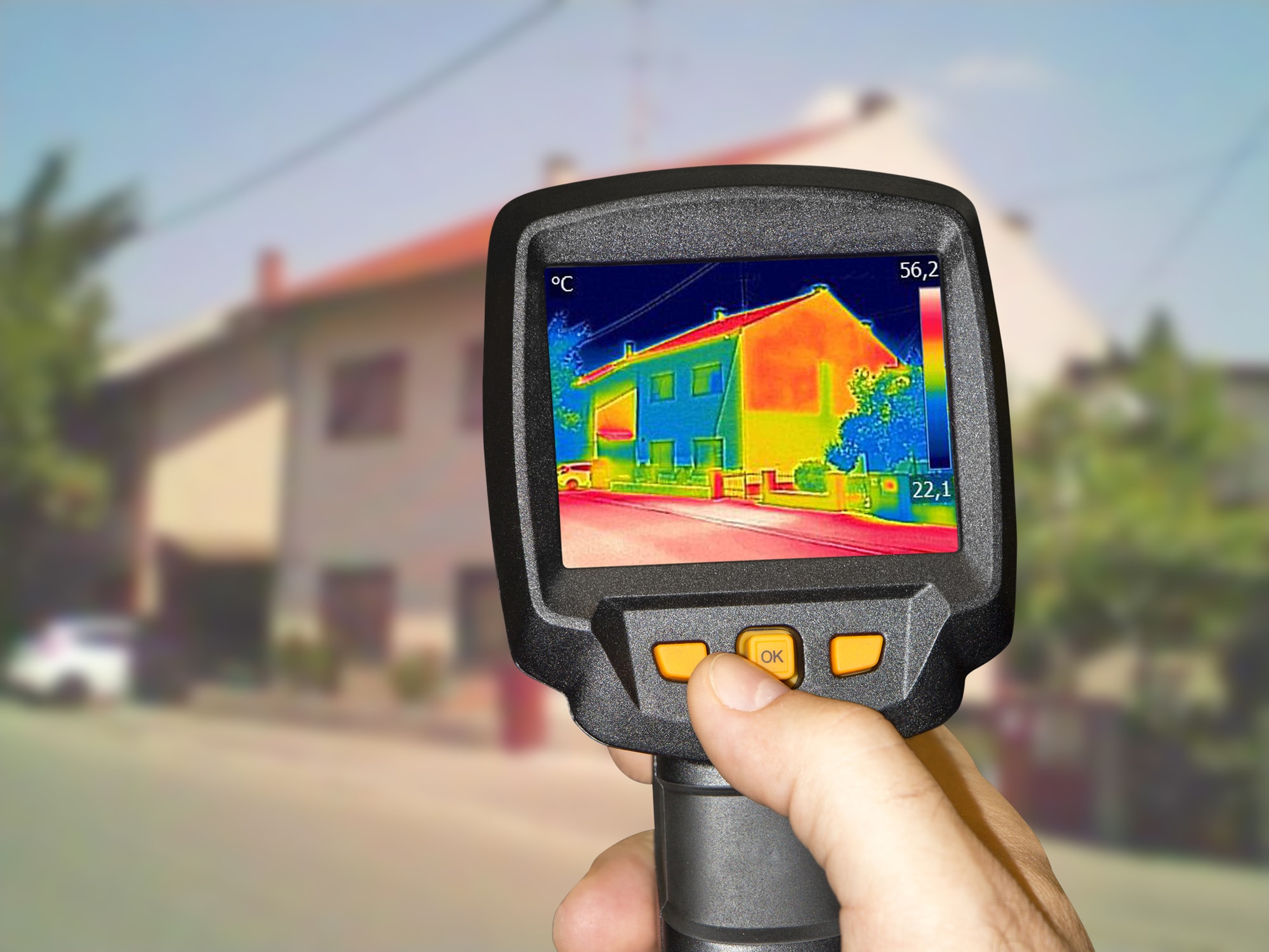
Hidden problems. Using thermal cameras, moisture meters, and laser levels, we look for leaks, insulation gaps, electrical faults, and air leakage that the eye cannot see.
Why Moisture and Heat Need Extra Attention
Dubai’s climate puts stress on buildings. Heat, sun, and humidity can affect cooling systems, seals, and surfaces, and moisture can lead to mould if it gets into the wrong place.
This is why thermal imaging and moisture scanning are useful here. They help us see where heat is escaping, where moisture is getting in, and where a repair is likely to be needed.
A Real Situation to Picture
Imagine an owner who has just bought a floor of offices in a Dubai tower. The space looks modern, and the seller says everything works. But the owner notices that one corner is always warmer than the rest, and a ceiling tile has a faint stain.
An inspector walks through the space and scans the area with a thermal camera. The scan shows a duct that is leaking cooled air above the ceiling, and a small leak that has been feeding the stain. The owner now has a clear list to take to the seller or the building manager, before the problem gets worse.
About GTA Inspectors
GTA Inspectors is a building inspection firm with its head office in Mississauga, Canada, and an office in Business Bay, Dubai. Our UAE work is carried out through GTA Property Observer LLC, which is RERA-registered. Our inspectors are InterNACHI-certified, and our inspections are neutral, free from agent, landlord, or developer influence.
Choosing a Building Inspection Company in Dubai
When you look for a building inspection company in Dubai, a few questions help you compare. Are the inspectors certified? Do they use tools beyond a simple walk-through? Will you get a written report with photos? Is the company independent of the seller or developer? And can they explain their findings in plain language?
Clear answers usually point to a team that takes the work seriously.
What a Building Inspection in Dubai Includes
A building inspection in Dubai usually starts with a short consultation, so the inspector understands what you need. Then comes the on-site inspection, which for most properties takes a few hours, and longer for large villas or commercial sites.
After that, you receive a report with annotated images, observations, and recommendations. We typically deliver it within 24 to 48 hours. A good report is clear enough to use in discussions about repairs, prices, or responsibilities.
Types of Inspection
Different situations call for different checks. Our building inspection services in Dubai include pre-purchase inspections for buyers, snagging inspections for newly delivered properties, thermal imaging inspections, mould and moisture scanning, and commercial property inspections.
If you are not sure which one fits, a short conversation at the start helps you choose.
Working With a Building Inspector
Many owners search for a building inspector in Dubai when they notice a problem, or before a purchase. If you can attend the inspection, do. Seeing issues first-hand makes the report easier to understand. If you cannot be there, you can authorise the inspector and receive the report remotely.
Ask questions during and after the visit. A good inspector expects them.
Who Uses Building Inspections
Inspections are useful for more people than most expect. Homebuyers use them before purchase. Tenants and landlords use them to understand a property’s condition. Developers use them to find and fix issues before handover. Real estate agents and business owners use them to protect a sale or a commercial space.
Inspections Across the UAE
Buildings in every emirate face similar issues, from heat to humidity. If you own or manage property outside Dubai, look at building inspection in UAE coverage. Our work extends across Dubai, Abu Dhabi, Sharjah, Ajman, and Ras Al Khaimah.
When a Problem Needs a Closer Look
Sometimes an inspection finds a defect that needs more investigation, such as the cause of repeated leaks or a crack that keeps returning. In that case, a defect analysis inspection looks at the cause in more detail, so the repair fixes the problem and not only the symptom.
Setting Realistic Expectations
An inspection is a record of what the building looked like on the day it was checked. It cannot promise that nothing will fail later, and it does not replace advice from a lawyer or a structural engineer when one is needed. What it does is give you facts, so you can act early and decide with fewer unknowns.
FAQs
1. What is included in a building inspection?
It covers structure, mechanical, electrical, and plumbing systems, finishes, and safety checks, with tools such as thermal cameras and moisture meters for hidden issues.
2. How long does an inspection take?
Usually two to four hours, and longer for large villas or commercial sites.
3. When will I get the report?
Typically within 24 to 48 hours of the inspection.
4. Do I need to be there?
No. You can authorise the inspector and receive the report remotely.
5. Can the report help with negotiation?
Yes. It can support requests for repairs, price discussions, and clear responsibilities.
6. Are the inspectors certified?
GTA Inspectors states that its inspectors are certified by InterNACHI.
Get in Touch
If you want to know the real condition of a building before you buy, rent, or hand it over, it helps to ask for an inspection early.
GTA Inspectors
Website: https://www.gtainspectors.com
Email: info@gtainspectors.com
Phone: +971525192004, +971525192004